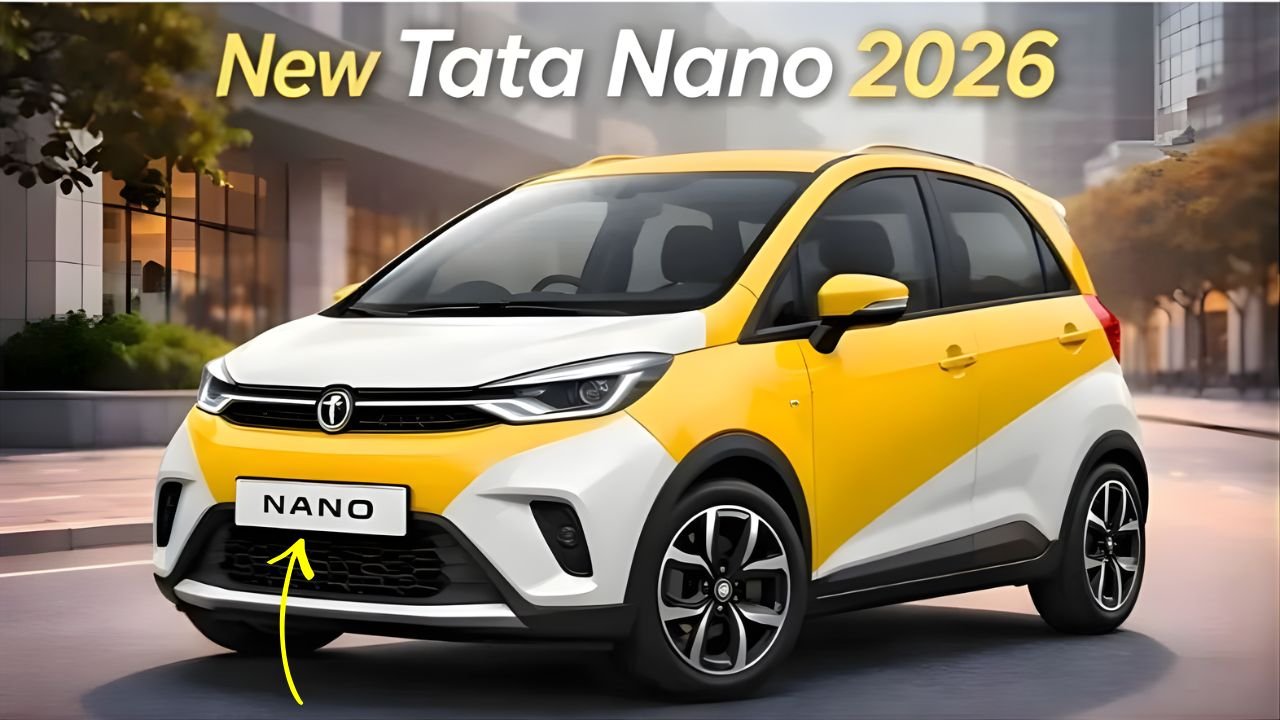
The Tata Nano EV 2026 is expected to mark a new chapter in affordable electric mobility in India. Inspired by the legacy of the original Tata Nano, this electric version aims to deliver practical urban transportation with zero emissions and low running costs. Developed by Tata Motors, the Nano EV targets first-time car buyers and city commuters looking for a budget-friendly EV.
With an estimated 315 km driving range, modern connectivity features, and compact city friendly dimensions, the Nano EV could become one of the most accessible electric cars in the Indian market. Its attractive pricing and efficient design make it a promising option for drivers who want to switch to electric mobility without spending heavily.
Compact Design for City Driving
The 2026 Nano EV is expected to maintain a compact and practical design similar to the original Nano while introducing modern styling updates. The car may feature refreshed LED lighting, redesigned bumpers, and aerodynamic improvements to enhance efficiency.

Its small footprint makes it ideal for crowded city streets and tight parking spaces. Despite its compact size, the design aims to provide enough cabin space for everyday urban travel while maintaining the car’s signature lightweight structure.
Electric Power and 315 Km Range
The Tata Nano EV 2026 is expected to feature a modern electric powertrain designed for efficient city commuting. The battery system could provide an estimated 315 Km of range on a single charge, making it suitable for daily driving and short intercity trips.
Electric vehicles offer smooth acceleration and quiet operation, and the Nano EV is likely to deliver both. Fast-charging capability may also be included, allowing drivers to recharge the battery quickly when needed.

Smart Features and Connected Technology
Even as an affordable EV, the Nano EV may come equipped with several smart features designed for modern drivers. A touchscreen infotainment system with smartphone connectivity could allow users to access navigation, music, and vehicle information easily.
Additional digital features such as a compact digital instrument cluster and mobile app connectivity may also be available. These technologies help enhance convenience while keeping the driving experience simple and user-friendly.
Comfortable Cabin and Practical Interior
Inside the cabin, the Nano EV is expected to offer a functional interior designed for everyday practicality. The seating layout will likely accommodate four passengers comfortably, making it suitable for small families or urban commuters.

Improved materials and better interior finishing could provide a more premium feel compared with the original Nano. Storage compartments and foldable rear seats may also increase cargo flexibility for daily use.
Price Details and Market Impact
One of the most exciting aspects of the 2026 Tata Nano EV is its expected starting price of around ₹4.59 lakh, which could make it one of the most affordable electric cars in India. This competitive pricing may help accelerate EV adoption among budget conscious buyers.
With rising fuel prices and growing interest in electric mobility, an affordable EV like the Nano could significantly impact the Indian automotive market. It offers an accessible entry point for customers who want to transition from petrol vehicles to electric cars.

Conclusion
The Tata Nano EV 2026 could redefine affordable electric mobility by combining a 315 km range, compact city-friendly design, and smart technology at a highly competitive price. Its practical features and low running costs make it an attractive option for urban drivers.
If launched with the expected specifications and pricing, the Nano EV may once again bring revolutionary change to the Indian car market this time by making electric vehicles accessible to millions of new buyers.